Why you get sleepy after a meal, what makes it worse, how to stop it, and the signs that it may point to a health problem.
Tired after eating? You finish lunch, sit back down, and your eyes start to close. You are not lazy. It is so common that it has a name: a food coma. Sleepiness often starts 30 minutes to 2 hours after a meal, and it can last up to 3 to 4 hours. Big meals make it stronger, and your body clock dips in the early afternoon too. Most of the time it is harmless. But if it hits hard most days, talk to your doctor.
What Is a Food Coma?
A food coma is a short spell of feeling sleepy and slow after you eat. Most people have felt it. Doctors call it postprandial somnolence, which just means sleepiness after a meal. You may also hear it called the post-lunch dip.
Most of the time, you won’t need a doctor for it. It passes on its own. So go easy on yourself.
How It Feels
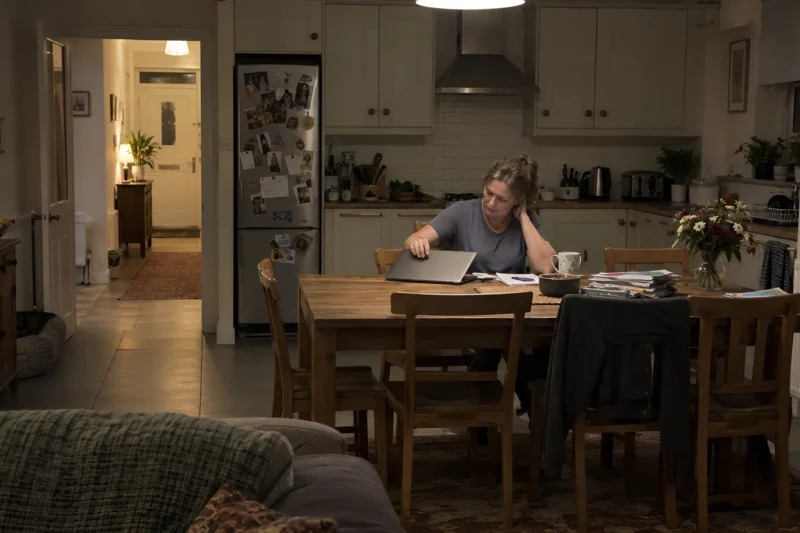
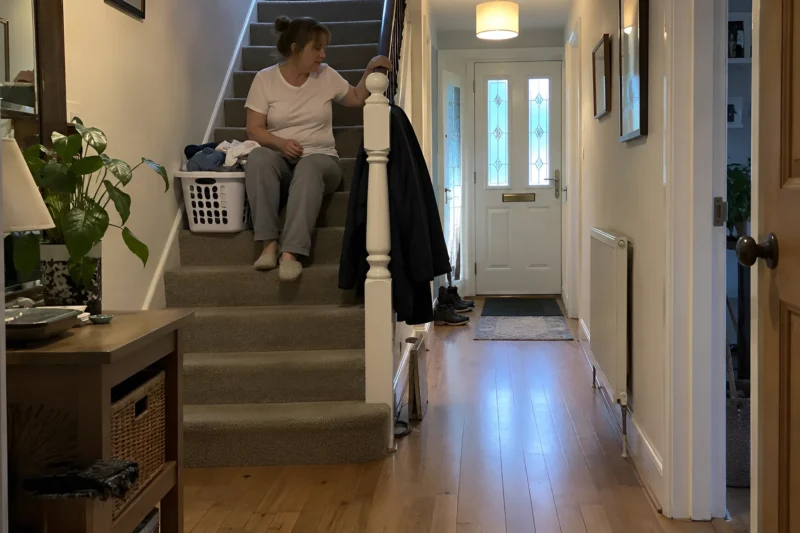
Sound familiar? Your focus slips. Your mind feels a little foggy, and tasks that need sharp focus get harder, like a test or driving a car. Some office workers even nod off at their desks after lunch, and it can affect how well they work. It is a bit like a phone that drops into low power mode.
How Long It Lasts
Sleepiness often starts 30 minutes to 2 hours after a meal. It tends to peak 1 to 2 hours after you eat. It can last up to 3 to 4 hours, and then it fades. It is stronger after bigger meals with more calories.
Who Gets It More
A food coma is more likely if you:
- Work night shifts
- Are a young adult who has not had much sleep
- Are 65 or older, above all with other health problems
- Have type 2 diabetes, or extra weight
- Have metabolic syndrome, a sleep problem or depression
When It Can Be Risky
A food coma is usually harmless. But it can be dangerous if you drive or work with heavy machines. If you feel sleepy after a meal, don’t drive. Pull over, take a short nap, or wait until you feel alert.
Why You Get Tired After Eating
Here is the funny part: experts still aren’t sure why it happens. They think a few things work together. Here is what they know so far.
It Is Not Blood Leaving Your Brain
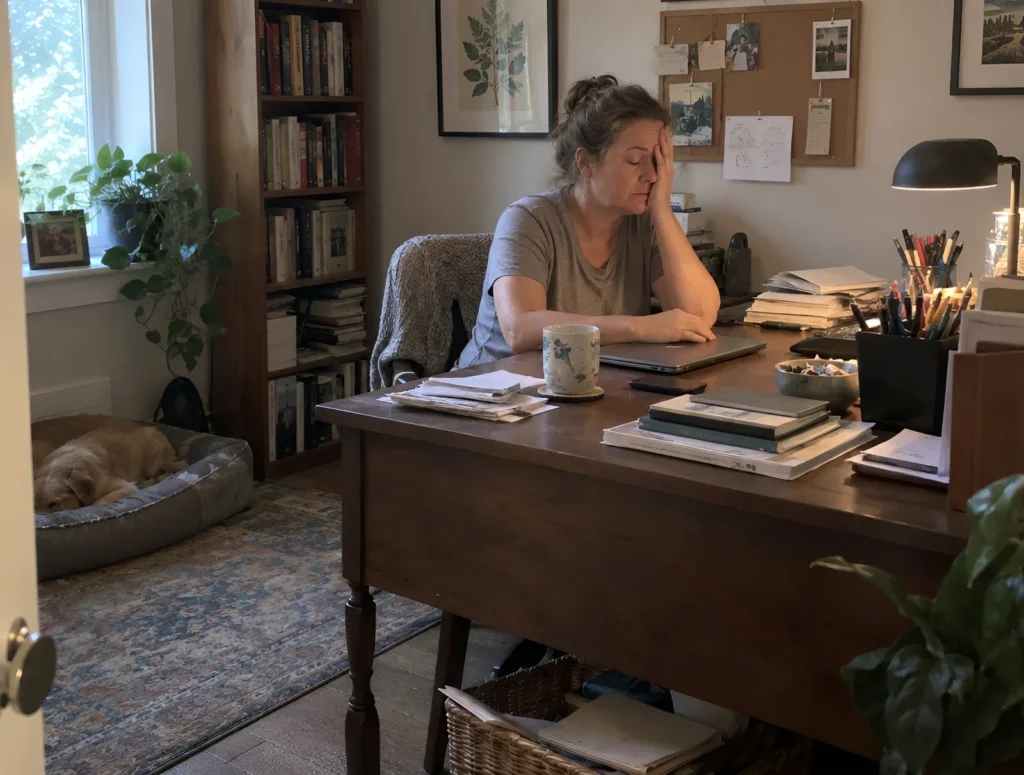
For years, people thought blood rushed away from the brain after a meal. Experts now know that is not right. Instead, a food coma seems to come from:
- Signals from your gut
- Changes in your blood, like sugar and amino acids, the building blocks of protein
- Shifts in the parts of your brain that keep you awake
Your Body Clock Dips After Lunch
Your body clock has a dip in the early afternoon that can make you sleepier. It happens even when you skip lunch. But a lunch full of carbs makes it worse. The dip may also hit harder if you are a strong morning person.
What and How Much You Eat
Some foods may release hormones that make you tired. Some experts think your body makes more serotonin after a meal. Serotonin is a brain chemical that helps control mood and sleep. Your body makes it from tryptophan, which you get from protein foods like chicken, eggs, cheese and fish.
How much you eat matters too. And yes, size counts. A heavy meal takes longer to digest. So after a big plate, your body has to work harder, and you are more likely to feel slow. Does a big meal leave you short of breath as well? Read about shortness of breath after eating.
When You Eat and How You Slept
The time of day you eat plays a part. So does your sleep. Your body runs on a 24-hour clock that shapes your energy. When you don’t sleep enough, that clock gets thrown off, and you feel sleepier during the day.
Meals and Habits That Make It Worse
Some things can turn a small dip into a real crash.
Big Meals Full of Carbs and Protein
It is common to feel tired after a meal full of carbs and protein. Protein foods include chicken, eggs, milk, cheese, fish and soy. Carbs are foods like pasta, white bread, rice, cakes, cookies and candy. The bigger the meal, the stronger the effect, because a big plate gives your gut a lot of work.
A dietitian at Cleveland Clinic says it is best to eat balanced meals, with whole foods, protein, fiber and healthy fats.
A Western Way of Eating
A diet high in saturated fat, white bread, sugar and deli meats is linked with worse sleep. It is also linked with more sleepiness in the day. A diet rich in fiber, fruit, vegetables, whole grains and good fats is linked with better sleep. The Mediterranean way of eating is one example.
Alcohol at Lunch
That glass of wine with lunch can make you feel more sluggish after the meal. If you crash after lunch, keep alcohol off the lunch table.
Too Much Coffee
When a food coma hits, you may want to grab another coffee. But too much caffeine can change how and when you fall asleep at night. Then you sleep less, and you feel sleepier the next day. It turns into a loop. Staying up late when your body is ready for bed makes the next day harder too.
Some Medicines
Some medicines can make sleepiness after meals worse.
- Pills that calm you or help you sleep
- Some pills for low mood, and allergy pills that make you drowsy
- Strong pain pills called opioids
- Some blood pressure pills, like beta-blockers
If you take a medicine and feel sleepy after meals, talk to your doctor.
How to Stop Feeling Tired After Eating
Good news: small changes can make your afternoon a lot easier.
Eat Smaller, Balanced Meals
- Eat smaller meals. Try half your usual portion, with a snack before and after, like a piece of fruit or some nuts.
- Fill half your plate with vegetables that are not starchy. Split the other half between protein and carbs.
- Choose protein, fiber and carbs that raise your blood sugar slowly.
- For carbs, try beans, or vegetables like sweet potatoes, squash and peas.
Take a Short Walk
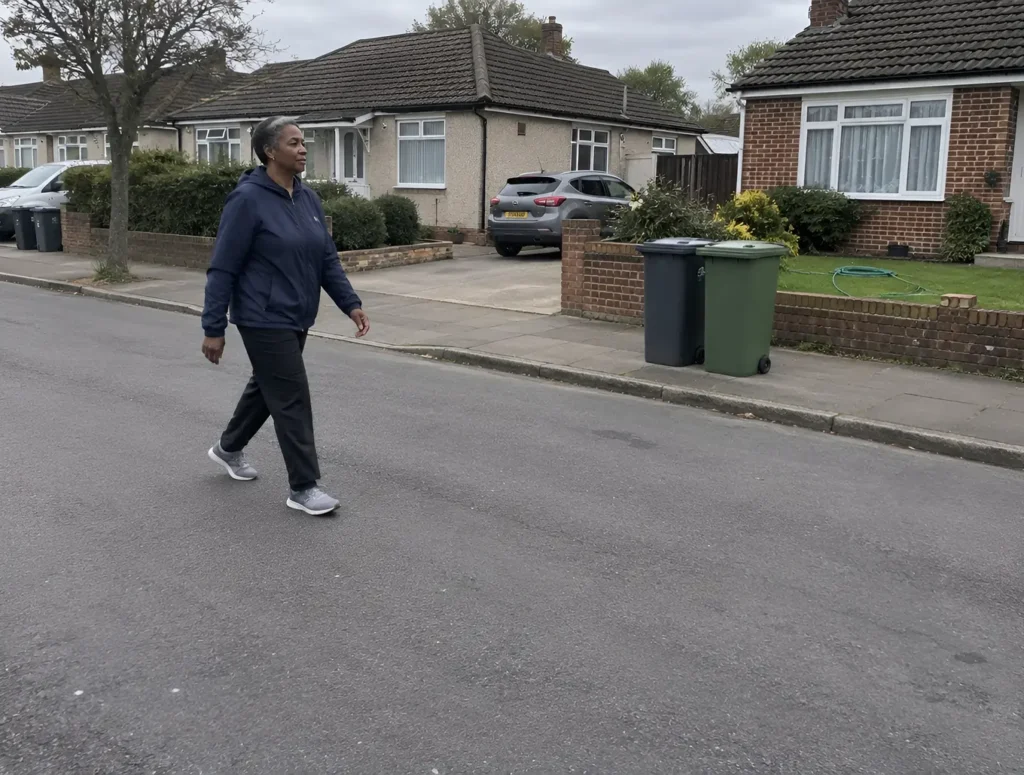
Walk for 10 to 30 minutes after you eat. Moving your body helps keep your blood sugar and your energy steady. A lap around the block counts. If you know a big meal is coming, plan a 10- or 15-minute walk after it.
Take a Short Nap If You Can
A 20-minute nap can help when you have the chance. In a small trial, healthy adults took a 30-minute nap after lunch. It helped them switch between tasks with fewer mistakes. They also felt less tired.
Get Some Bright Light
In the same trial, 30 minutes of bright light after lunch worked about as well as the nap. The trial was small, and a company gave the lamps for it. Still, a bright lamp at your desk after lunch is an easy thing to try.
Sip Your Coffee
Let your first cup of coffee last through the morning. Want more? Try half decaf, or switch to tea, so you get less caffeine at once.
Protect Your Sleep
Aim for 7 to 9 hours of sleep a night. Notice how many hours help you feel rested. If you feel tired early in the evening, wind down and go to bed earlier.
Could It Be Diabetes or Low Blood Pressure?
A food coma by itself is not a sign of diabetes. Feeling sleepy after a meal now and then is common. But some signs are worth a closer look.
Signs of Diabetes
The CDC lists these signs of diabetes.
- Peeing often
- Feeling very thirsty or hungry
- Losing weight without trying
- Feeling tired
- Feeling cranky or moody
- Blurry vision
- Many bladder or yeast infections
Type 2 diabetes can also bring cuts or sores that heal slowly. You may see dark patches of skin on your neck or armpits. Your hands or feet may feel numb or tingly.
It can take years to cause symptoms, and some people never notice any. So do you often feel sleepy after meals, and have signs like these? Ask your doctor about a test. A blood test called A1c is one way to check.
Shaky or Sweaty a Few Hours Later
If you feel shaky, sweaty or confused a few hours after a meal, see your doctor.
Dizzy After Meals
Some people have a big drop in blood pressure in the 2 hours after a meal. It is common in older adults. One review found it in about 40% of people aged 65 to 86.
Many people with it have no symptoms. Others feel dizzy, lightheaded, weak or tired, or they faint. Symptoms tend to be worse in the morning, and big meals can bring them on. It is more likely if you have high blood pressure, diabetes, Parkinson’s disease or heart failure. See your doctor if you feel dizzy or faint after meals. If you faint and get badly hurt, get emergency care.
Other Reasons to See a Doctor
Tried the tips above and still feel wiped out after eating? Talk to your doctor. There could be a health problem behind it.
Health Problems That Can Cause It
Some health problems can leave you very tired after you eat.
- Anemia
- Celiac disease
- Diabetes
- Foods your body can’t handle, or food allergies
- Sleep apnea
A dietitian puts it simply. Made some changes, and nothing got better? See your doctor.
Signs of a Sleep Problem
See your doctor if you feel very sleepy most days. Tell them, too, if someone hears you snore loudly or stop breathing for a moment while you sleep. Sleep problems make food comas more likely.
What Your Doctor May Do
Your doctor will check you and ask how you feel. They will ask what you eat, when you eat and how much. They may use a short set of questions to see how sleepiness affects your day. Then you can talk about what might help.
Tell your doctor about every medicine you take, since some can make it worse. Tell them, too, if you have been feeling low. Low mood also makes food comas more likely.
Before the visit, write down your meals for a week. Note what you ate, when you ate and how you felt an hour later. Bring your list to the visit. It saves time, and it helps your doctor see the whole picture. You know your body best.
If You Are Tired All the Time
If you feel tired all the time, not only after meals, the cause may be something else. That guide covers sleep, daily habits, stress and the health problems that can drain your energy.
Try This Tomorrow
Pick one or two of these, and notice how your afternoon feels.
- Eat half your usual lunch, with a small snack before and after.
- Fill half your plate with vegetables.
- Skip alcohol at lunch.
- Walk for 10 to 15 minutes after you eat.
- Take a 20-minute nap, or sit near a bright lamp, if you can.
- Sip one coffee through the morning instead of adding cups after lunch.
If you like to see changes in numbers, try our free Energy Check. It takes about 2 minutes. It checks your hand speed, your legs and how awake you feel right now. Take it before lunch, then an hour after, and compare.
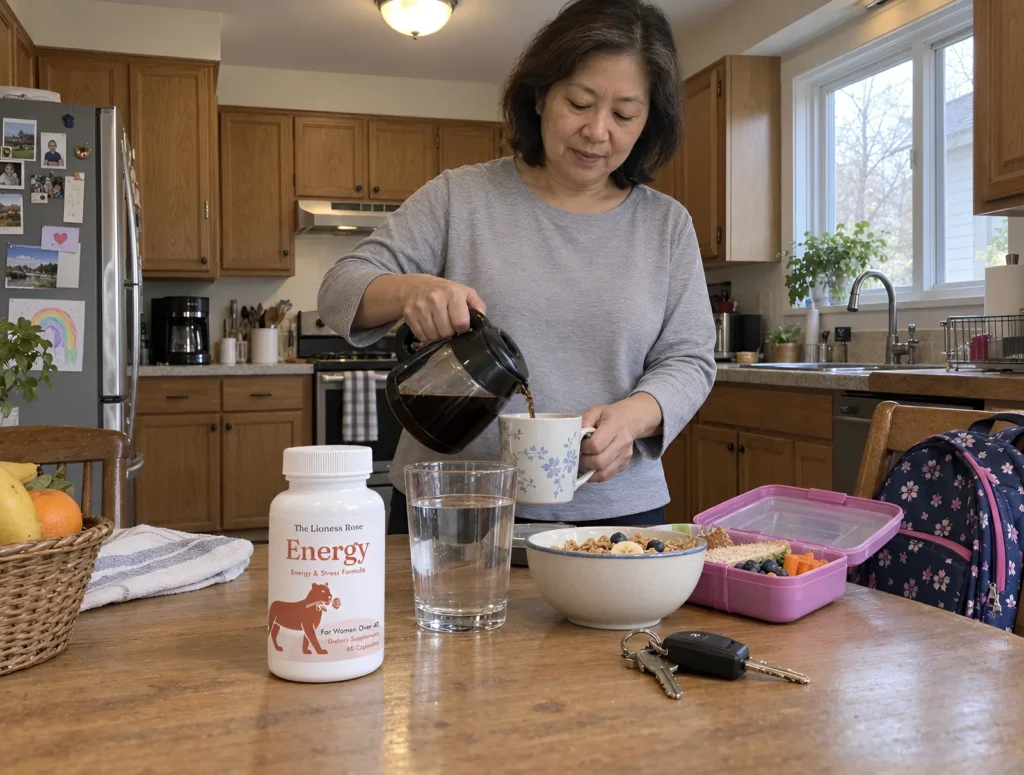
And if the slump shows up no matter what you eat, meet Energy, our caffeine-free morning formula made for women over 40. Take two capsules with breakfast. You get vitamins B6 and B12, which help reduce tiredness and fatigue. You also get KSM-66 ashwagandha, maca, Panax ginseng and shatavari. No caffeine. No crash. Your energy should last past 3 PM, and you get 60 days to feel it, or it’s free.
Common Questions
Does getting tired after eating mean diabetes?
By itself, it is not a sign of diabetes. Feeling sleepy after a meal now and then is common. But does it happen often? Do you also feel very thirsty, pee often, lose weight without trying or have blurry vision? Then ask your doctor about a blood test like A1c.
Why do I fall asleep after eating?
A meal changes signals from your gut. It changes the sugar and amino acids in your blood. It also shifts the parts of your brain that keep you awake. Your body clock also dips in the early afternoon. Big meals, lunches full of carbs, alcohol and poor sleep make you more likely to doze off.
How long does a food coma last?
Sleepiness often starts 30 minutes to 2 hours after a meal. It peaks 1 to 2 hours after you eat and can last up to 3 to 4 hours. Then it fades. If you feel very sleepy after meals most days, talk to your doctor.
What should I eat to avoid feeling tired after lunch?
Eat a smaller, balanced lunch. Fill half your plate with vegetables that are not starchy, and split the rest between protein and carbs. Choose fiber, whole grains and carbs like beans. Go easy on white grains, sugar and processed meats. And skip the alcohol at lunch.
Is it OK to nap after eating?
A short nap can help. Try about 20 minutes when you can. In a small trial, a 30-minute nap after lunch helped healthy adults feel less tired. They also made fewer mistakes when they switched tasks. If you feel sleepy after a meal, don’t drive until you feel alert.
Sources
- Food Coma, Cleveland Clinic
- Tired After Eating? Here’s Why, Cleveland Clinic
- The post-lunch dip in performance, Clinics in Sports Medicine, 2005
- Afternoon nap and bright light exposure improve cognitive flexibility post lunch, PLoS One, 2015
- Postprandial Hypotension, Cleveland Clinic
- Symptoms of Diabetes, Centers for Disease Control and Prevention