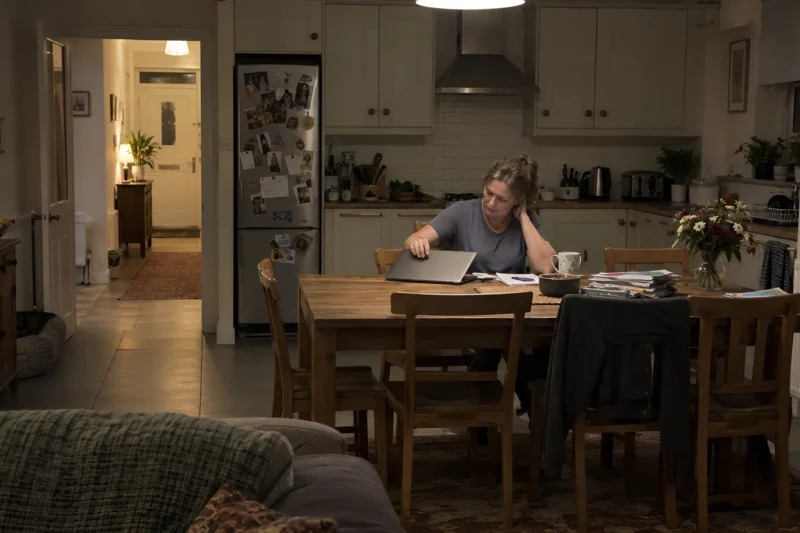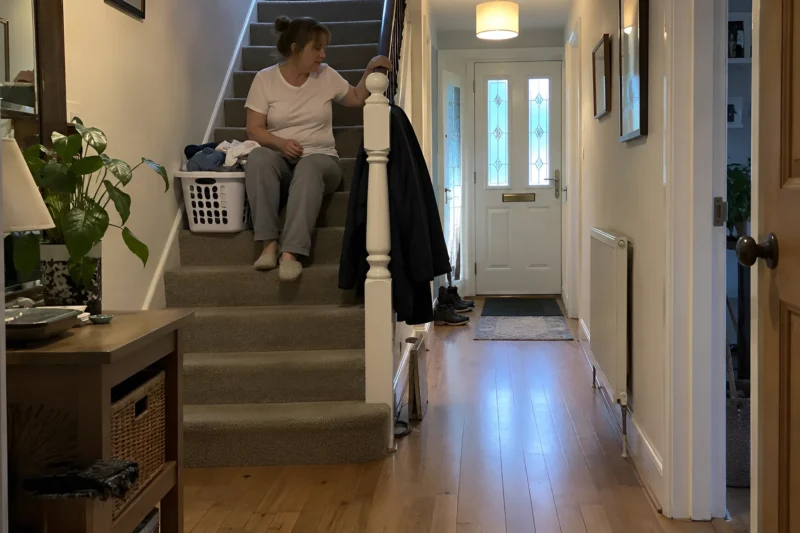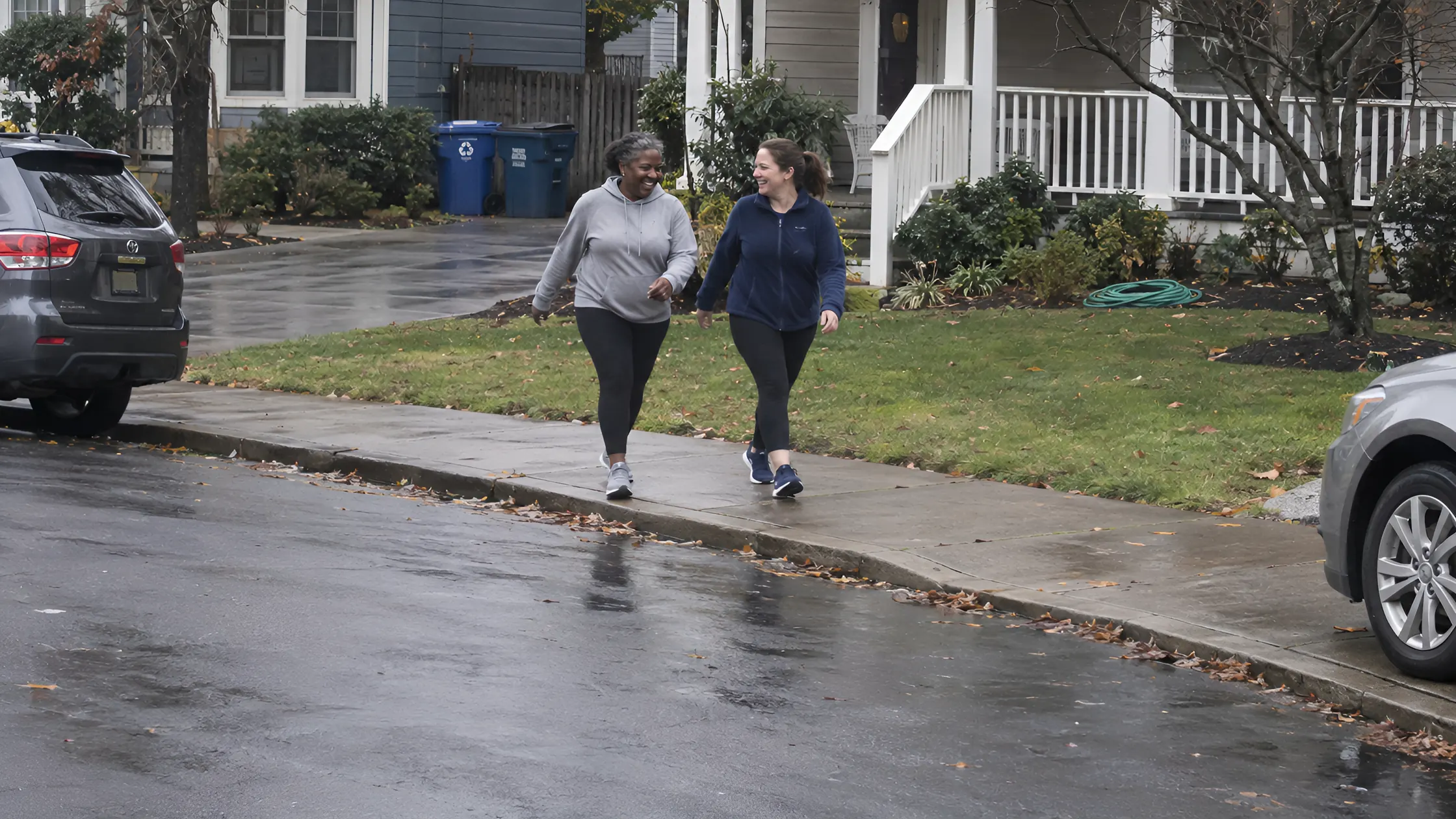
The most common reasons women feel tired all the time, the small changes that help, and the signs that it is time to see your doctor.
Why am I so tired all the time? For many people, the answer is stress, too little sleep, poor eating or other daily habits. Long gaps between meals, too little water, coffee late in the day and wine at night can all leave you tired. Some health problems cause tiredness too. Low iron and a slow thyroid are two of them, and both are more common in women. If you have felt tired for a few weeks and do not know why, see your doctor.
Is It Normal to Feel Tired All the Time?
It is normal to feel tired sometimes. Hard work, stress, boredom or a short night can all wear you out. That is your body’s normal response.
But if you are tired all the time and do not know why, it could be a sign of a problem.
Tired, Sleepy or Low on Energy?
These words sound alike, but they are not the same thing.
Fatigue is a feeling of weariness, tiredness or low energy. Sleepiness is different. When you are sleepy, your body wants to sleep. When you have fatigue, you lack energy and the drive to do things. You can feel both at the same time. Fatigue can also come with a feeling of not caring about what happens.
It helps to notice which one you feel. Do you fight to keep your eyes open in the afternoon? Or are you wide awake, with no energy to start anything? Write it down. Your doctor will ask about it if you go in.
When Tiredness Needs a Closer Look
Fatigue is a common symptom. Most of the time, it is not caused by a serious disease. But it can be a sign of a health problem in your body or your mind.
MedlinePlus, a U.S. government health site, says fatigue should be checked by a doctor when it does not get better with enough sleep, good food and less stress.
Your signs can give you clues about the cause, but do not try to diagnose yourself. Start with the simple things: your sleep, your meals, your coffee and your stress. If they do not help, or if you are worried, see your doctor.
Are You Getting Enough Good Sleep?
Sleep is the first place to look. Not getting enough sleep, or finding it hard to fall asleep, is one of the common causes of tiredness.
How Much Sleep You Need
The CDC says adults 18 to 60 years old should get 7 or more hours of sleep. Adults 61 to 64 need 7 to 9 hours. Adults 65 and older need 7 to 8 hours.
Count the hours you sleep, not the hours you lie in bed. Time in bed scrolling on your phone is not sleep.
How Well You Sleep Matters Too
Good sleep is about how well you sleep as well as how long. Signs of poor sleep include trouble falling asleep, waking up again and again during the night, and feeling sleepy or tired even after enough sleep.
Loud snoring can be a clue too. If someone tells you that you snore loudly or make gasping or choking noises in your sleep, tell your doctor. These can be signs of sleep apnea. It wakes you up again and again at night and leaves you tired during the day.
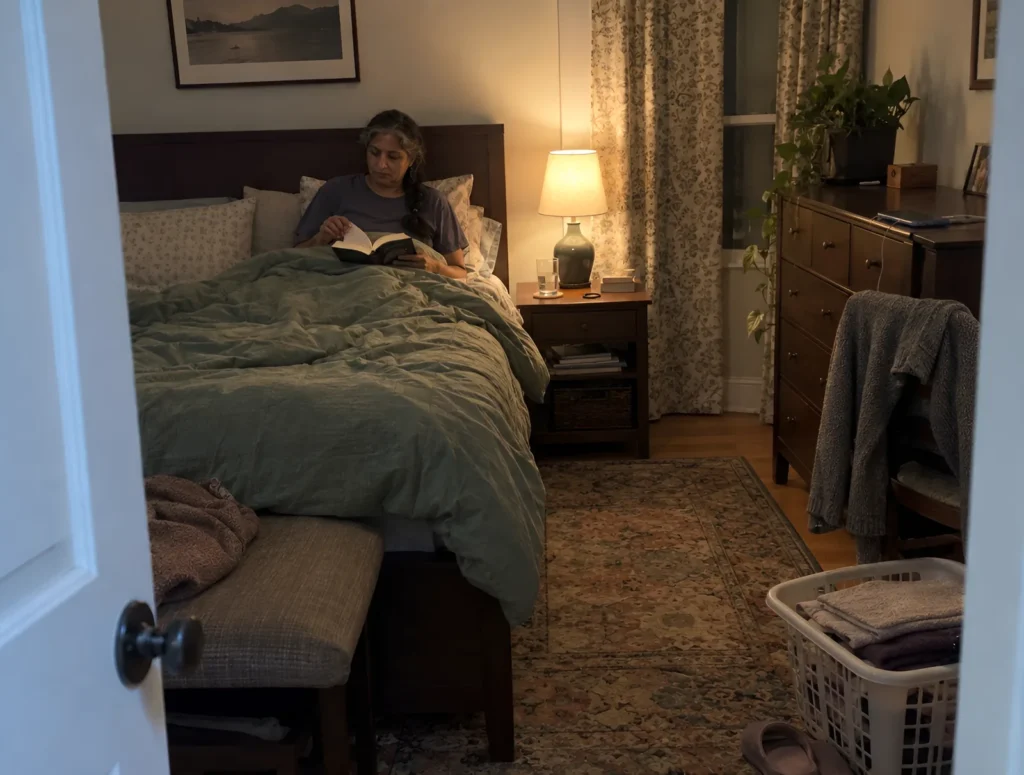
Small Habits That Help You Sleep
These habits can help you get better sleep:
- Go to bed and get up at the same time every day.
- Keep your bedroom quiet, relaxing and cool.
- Turn off your phone, TV and other screens at least 30 minutes before bed.
- Skip large meals and alcohol close to bedtime.
- Avoid coffee, tea and other caffeine in the afternoon and evening.
- Avoid naps during the day.
- Take time to relax before bed, with a book or quiet music.
- Move your body during the day and eat well.
Daily Habits That Can Drain Your Energy
Sleep is not the only cause. Small habits during your day can leave you tired too.
Long Gaps Between Meals
A good way to keep up your energy through the day is to eat regular meals and healthy snacks every 3 to 4 hours. That works better than one large meal now and then. Do you crash right after lunch? Read why you may feel tired after eating.
Not Enough Water
Sometimes you feel tired because your body needs water. You may be a little dehydrated, which means low on water. A glass of water can help, especially after exercise.
Coffee That Stopped Working
Coffee makes you feel more awake. But caffeine can also upset your sleep, and poor sleep leaves you tired the next day. The effects of caffeine can last up to 7 hours. So a cup in the afternoon can still be at work when you try to fall asleep.
Caffeine does not treat fatigue. It can even make tiredness worse when you stop. If you want to drink less, cut back slowly. Stopping all at once can cause headaches and trouble sleeping. Caffeine is also in tea, soda and energy drinks, so count those too.
A Glass of Wine at Night
A glass or two of wine in the evening may help you fall asleep. But you sleep less deeply after drinking alcohol. So you can wake up tired, even after a full 8 hours of sleep.
Too Little Movement
When you are tired, exercise may be the last thing on your mind. But regular exercise helps you feel less tired over time. Even one 15-minute walk can give you more energy.
Start small and build up over weeks and months. The goal is 2 hours and 30 minutes a week of activity like fast walking or cycling.
Stress, Worry and Low Mood
Stress uses up a lot of energy. Feeling tired after a stressful time is a normal response. Worry, grief and big life changes, like caring for a new baby, can leave you tired as well. Low mood and depression are common causes of tiredness too. Low mood can also be a sign of a slow thyroid, which you can read about below. Has the stress lasted for months, mostly at work? Read about burnout symptoms.
When depression is treated, the tiredness often gets better too. But some medicines for depression can cause tiredness. If you think yours does, talk to your doctor. Do not stop or change it on your own.
Try to keep a work and home schedule you can manage. If you can, cut down the things that stress you most, for example by taking a vacation or working on problems in a relationship.
Make Room for What Relaxes You
Try to add something that relaxes you to each day. It could be:
- a workout at the gym, yoga or tai chi
- meditation
- music or a good book
- time with friends
Whatever relaxes you can help your energy. Sleep helps here too, because getting enough sleep can lower stress and lift your mood.

Talking Can Help
There is some evidence that talking therapies, such as counseling, may help with tiredness caused by stress, worry or low mood. Ask your doctor where to find one. Your doctor can also give you advice on how to relax, sleep better or change your routine.
Tell your doctor if you feel sad or depressed. And if you ever have thoughts of harming yourself, contact your doctor right away.
Health Problems That Can Make Women Tired
If better sleep and habits do not help, the cause may be a health problem. Some are more common in women.
Low Iron (Iron-Deficiency Anemia)
Your body needs iron to carry oxygen through your blood to every part of your body. When you do not have enough, you can get iron-deficiency anemia. It affects more women than men. The risk is highest if you are pregnant or have heavy periods. Up to 5% of women of childbearing age get it because of heavy bleeding during their periods.
It often starts slowly, so you may not notice it at first. As it gets worse, you may feel very tired and weak. Other signs include dizziness, headaches, pale skin, a fast or uneven heartbeat, shortness of breath, brittle nails and cravings for ice.
Your doctor can find it with a blood test called a complete blood count. Do not take iron pills without talking to your doctor or nurse first.
Food matters too. Your body takes in iron from meat, chicken and fish two to three times better than iron from plants. When you eat plant foods, add foods with vitamin C, like oranges or tomatoes, to help your body take in the iron.
A Slow Thyroid (Hypothyroidism)
Your thyroid is a small, butterfly-shaped gland in the front of your neck. Its hormones control how your body uses energy, a bit like the gas pedal in a car. When it does not make enough of them, many things in your body slow down. This is called hypothyroidism, or an underactive thyroid.
Women are much more likely than men to get it, and it is more common after age 60. Common signs include tiredness, weight gain, feeling cold easily, joint and muscle pain, dry skin, thinning hair, heavy or irregular periods and depression.
It develops slowly, so you may not notice the signs for months or even years. These signs are common and do not always mean a thyroid problem. Blood tests can check.
Other Causes to Ask About
- Hormone changes, for example during pregnancy or menopause, can make you tired.
- Diabetes can make you very tired. Other signs are feeling very thirsty, peeing more than usual (especially at night) and losing weight.
- Some medicines can cause tiredness, such as allergy medicines, blood pressure medicines, sleeping pills, steroids and water pills. Do not stop or change a medicine on your own. Talk to your doctor first.
- Some illnesses, like COVID-19, can leave you tired too.
When to See Your Doctor
It is time to see your doctor if:
- you have felt tired for a few weeks and do not know why
- your tiredness gets in the way of your daily life
- you feel tired and have other changes, like weight loss or changes in your mood
- someone has told you that you make gasping, snorting or choking noises in your sleep
Call Your Doctor Right Away If
Contact your doctor right away if you have:
- confusion or dizziness
- blurred vision
- little or no urine (pee)
- new swelling and weight gain
- thoughts of harming yourself
What Your Doctor May Ask and Check
Your doctor will ask about your health history, your tiredness, your habits and how you feel. You may be asked how regular or heavy your periods are. The doctor will likely examine you too, including your heart and your thyroid. Tell your doctor about every medicine you take, with or without a prescription.
Tests your doctor may order include blood tests to check for anemia, diabetes, inflammation and infection. You may also have tests to see how well your thyroid, kidneys and liver work, and a urine test. Wondering which vitamins help your energy? Read about vitamins for energy.
Treatment depends on the cause. If the cause is not clear, your doctor may send you to a specialist.
Keep a Simple Sleep Diary
Your doctor may ask you to keep a sleep diary. You can start one before your visit. Each day, write down when you:
- go to bed
- wake up during the night
- wake up in the morning
- take naps
- exercise
- drink alcohol, coffee or other caffeine
- take medicines
Add a line about how tired you feel that day. It helps your doctor understand what is going on.
Where to Start This Week
You do not need to change everything at once. Pick one or two of these steps and start today:
- Go to bed and get up at the same time every day.
- Eat regular meals and a healthy snack every 3 to 4 hours.
- Drink a glass of water when you feel tired.
- Keep coffee and tea to the morning.
- Take a 15-minute walk.
- Start your sleep diary.
If you like to see your progress in numbers, try a free energy check that takes about 2 minutes. It checks your hand speed, your legs and how awake you feel right now. Take it today, then again a week later at about the same hour, and compare.
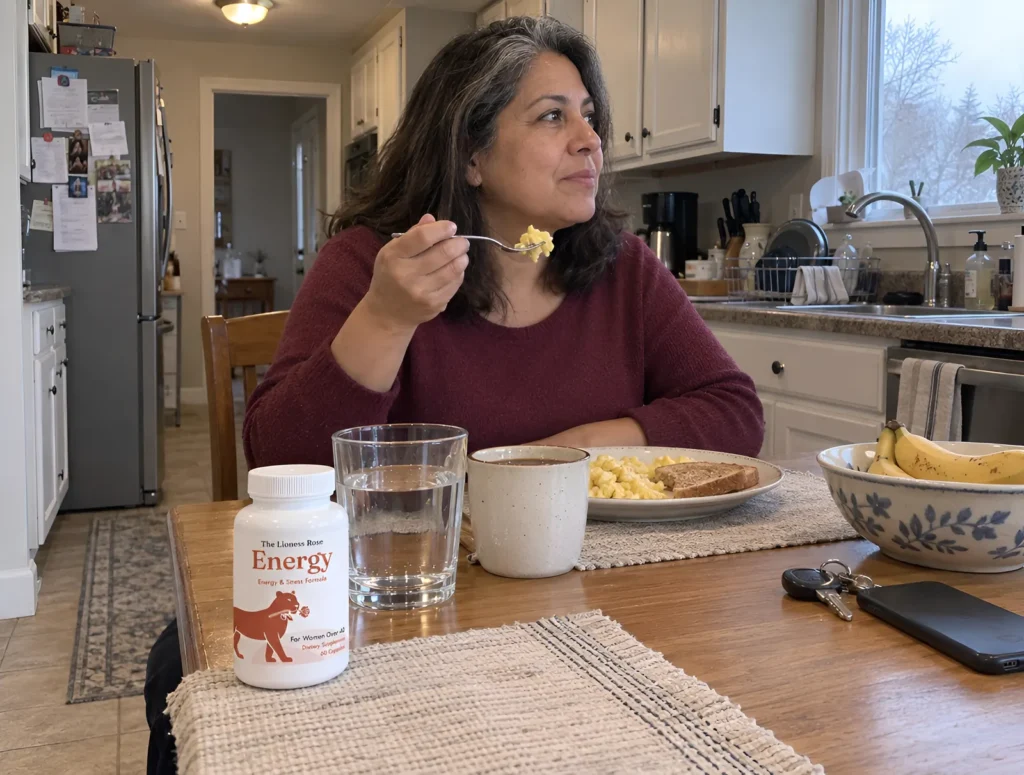
Still running on empty by 3 PM, even after a good night? Meet Energy, our caffeine-free morning formula made for women over 40. Vitamins B6 and B12 help reduce tiredness and fatigue, and KSM-66 ashwagandha supports a healthy response to occasional stress. Maca, Panax ginseng and shatavari round it out. No caffeine. No crash. Just two capsules with breakfast, and 60 days to feel it, or it’s free.
And if you have felt tired for a few weeks and do not know why, do not wait. See your doctor.
Common Questions
Why am I tired even after 8 hours of sleep?
How well you sleep matters, not only how long. Waking up again and again, drinking alcohol in the evening or a problem like sleep apnea can leave you tired after a full night. Low iron, a slow thyroid, stress and low mood can too. If it keeps happening, talk to your doctor.
Can low iron make me tired even without anemia?
It can. MedlinePlus lists low iron without anemia as one possible cause of fatigue. Heavy periods raise your risk of low iron. A blood test can check your iron levels. Do not start iron pills on your own. Talk to your doctor or nurse first.
Does coffee help if I am always tired?
Coffee can make you feel more awake, but caffeine does not treat fatigue. Its effects can last up to 7 hours, so an afternoon cup can make it harder to sleep that night. If you want to drink less, cut back slowly to avoid headaches and trouble sleeping.
Can stress make you tired?
Stress is one of the common causes of tiredness, and it uses up a lot of energy. Things that relax you, like yoga, music, reading or time with friends, can help. If stress or low mood does not lift, ask your doctor about talking therapies such as counseling.
What tests check why you are tired?
Your doctor will first ask about your health and habits. Tests may include blood tests for anemia, diabetes, inflammation and infection. You may also have tests of how well your thyroid, kidneys and liver work, and a urine test. For low iron, doctors use a complete blood count.
How long should I be tired before I see a doctor?
See your doctor if you have felt tired for a few weeks and do not know why, or if tiredness gets in the way of your daily life. Contact your doctor right away if you also have confusion, dizziness, blurred vision or thoughts of harming yourself.
Sources
- Fatigue, MedlinePlus
- Tiredness and fatigue, NHS
- Self-help tips to fight tiredness, NHS
- About Sleep, Centers for Disease Control and Prevention
- Hypothyroidism (Underactive Thyroid), National Institute of Diabetes and Digestive and Kidney Diseases
- Iron-deficiency anemia, Office on Women’s Health