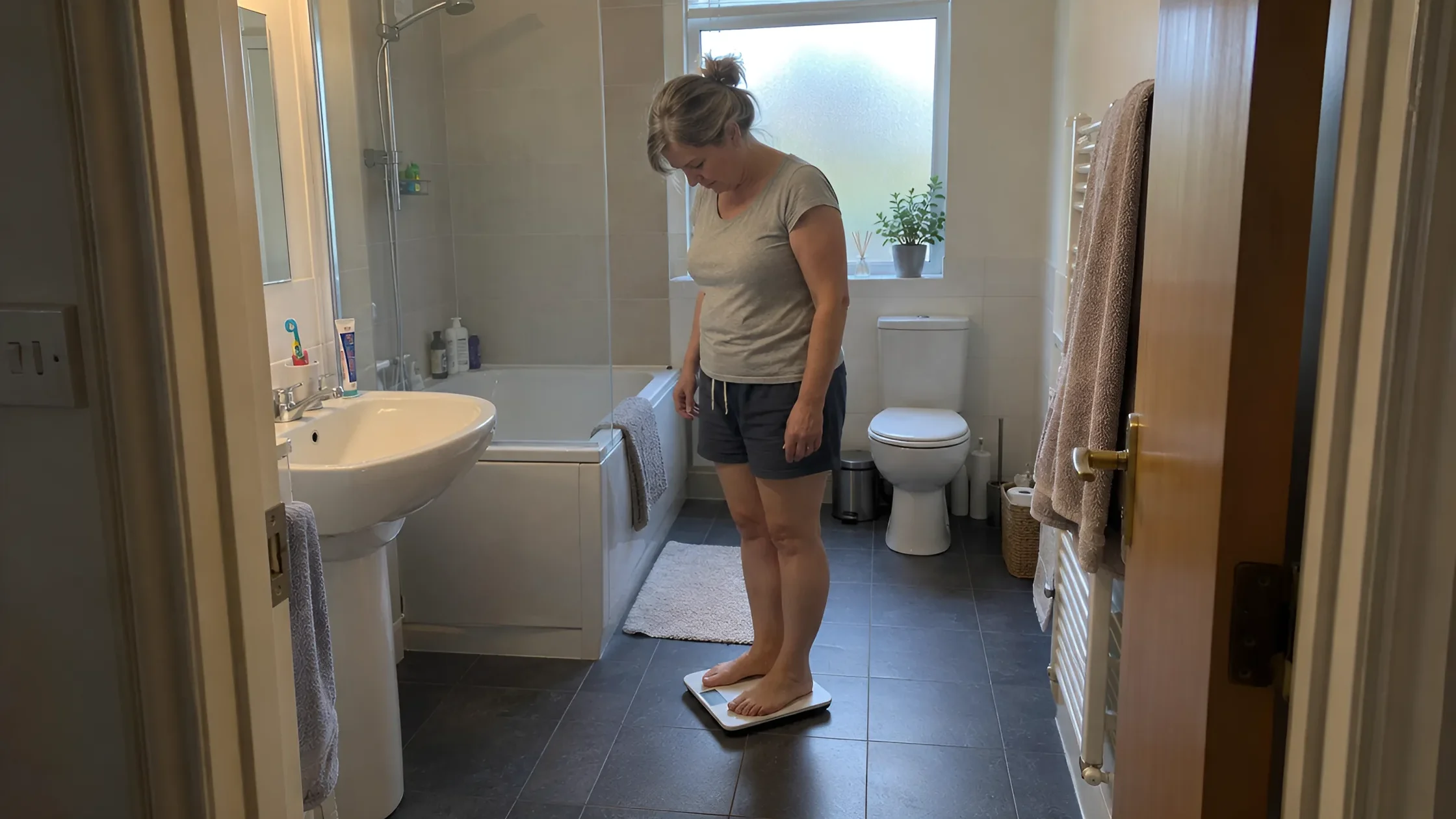
What progesterone does in your body, what studies found about progestin birth control and hormone therapy, and what to do if the scale goes up.
Does progesterone cause weight gain? You stepped on the scale, you take a hormone, and now you wonder. Here is the short answer. For most women, the research says it adds little or nothing. Weight gain is not a direct side effect of this hormone. In most studies, birth control with a lab-made form did not add weight. The shot is the one exception. Hormone treatment for menopause did not add weight in trials. And bloating before your period can push the scale up for a while.
What Progesterone Does in Your Body
Progesterone is a hormone. Hormones are messengers. They tell your body what to do, like notes passed in class. This one plays a big part in your periods, and when you are newly pregnant. Think of it as part of your monthly rhythm. Think your level may run low? Read about low progesterone.
Its Job Each Month
Around the middle of your cycle, an ovary lets go of an egg. The empty sac left behind turns into a small gland. It does not last long. This gland starts to make the hormone. The hormone thickens the lining of your womb, like a soft bed, so a fertilized egg could attach and grow.
If you don’t get pregnant, the gland breaks down. Your levels drop. The lining breaks down too, and your period starts. If you do get pregnant, levels keep rising to support the baby. The hormone also helps get your breasts ready to feed a baby, and it may help your mood.
Where Else It Comes From
Glands on top of your kidneys make a little too. When you are pregnant, so does the placenta. Levels fall in the years before menopause, as you stop releasing eggs.
The Lab-Made Form
Progestin is a form of the hormone made in a lab. Doctors use it for:
- Birth control, as pills, shots, implants and IUDs
- Hormone treatment for menopause
- Periods that don’t come on time, or bleeding that is not normal
Doctors may also give the hormone itself. It can ease signs of the years before menopause. It can bring back a period that has stopped. It is also in the minipill, a pill that stops you getting pregnant.
Why Women Ask About Weight
Many women worry these pills and shots will make them gain weight. Some stop early for that reason. Others say no to them. So let’s look at the hormone your body makes first. Then we will look at each one.
Does Progesterone Itself Cause Weight Gain?
Start with the hormone your own body makes.

What Doctors Say
Cleveland Clinic says weight gain is not a direct side effect of the hormone. Hormones can affect how hungry you feel and what you weigh. But too much or too little of this one hormone is not often a cause of weight gain.
High levels don’t often harm your health. Low levels can cause:
- Periods that don’t come on time
- Trouble getting pregnant
- Mood changes, worry or low mood
- Trouble sleeping
- Hot flashes
Weight gain is not on that list. Only a doctor can check your levels. It takes a blood test.
Bloating in the Second Half of Your Cycle
Your levels rise after you ovulate, in the second half of your cycle. That is also when PMS starts, 14 or more days after the first day of your last period. PMS can bring bloating and a gassy feeling. When your body holds on to extra fluid, you can feel puffy, get sore breasts and see the scale go up.
That does not prove the hormone is to blame. No one knows what causes PMS. But it helps explain why the scale can creep up before a period. PMS signs most often go away 1 to 2 days after your period starts.
How to Tell Water From Weight
Try this. Weigh yourself at the same time of day, in different weeks of your cycle. Does the number go up before your period and come back down once it starts? That pattern fits water weight from PMS. Try it for two cycles. Then look at your notes.
To ease bloating:
- Drink plenty of water
- Eat less salt and sugar
- Skip soft drinks, alcohol and drinks with caffeine
Progestin-Only Birth Control and Weight
Some birth control has a progestin but no estrogen. It comes as the shot, hormone IUDs, implants and the minipill. It can suit women who can’t or shouldn’t take it. Many of these last a long time and cost less over time.
What a Large Review Found
In 2016, a Cochrane team looked at 22 studies with 11,450 women in all. That is a lot of women. They covered:
- The shot: 16 studies
- Hormone IUDs: 4 studies
- Implants: 5 studies
- Pills: 2 studies
In 15 of the studies, women on these did not gain more weight than the women they were compared with. In most studies, the average gain after 6 or 12 months was less than 4.4 pounds. That is about the weight of a half-gallon of milk.
Weight Over Several Years
Some studies went on for years. In those, the gain at 2 to 4 years was about twice the gain at 1 year. But in general, women on these did not gain more than the women they were compared with.
Body Fat and Hormone IUDs
Two studies looked at body fat. Women with a hormone IUD had a bigger rise in body fat than women using no hormones. One study found the same with a progestin pill. In both, the women on hormones also lost more lean mass. That is the part that includes muscle.
How Strong Is This Evidence?
The team rated the evidence as low quality. Most studies did not split women into groups at random. In many, lots of women dropped out early. The team also said it helps to know what weight change is normal. That may help you decide whether to keep your birth control.
The Birth Control Shot: The Exception
The shot is called Depo-Provera. It is a lab-made hormone given as a shot. It stops you from releasing eggs and thins the lining of your womb. In the review, the clearest weight gaps showed up with the shot. So this is the one to watch.
What the Studies Found
Three studies in the review found gaps for women on the shot.
In one study, women on the shot were compared with women using a copper IUD, which has no hormones. Women on the shot gained more:
- About 5 pounds more after 1 year
- About 6 pounds more after 2 years
- About 7 pounds more after 3 years
A newer study followed women for 10 years and found the same pattern.
A third study looked at teens. Teens on the shot had a bigger rise in body fat than teens using no hormones. They also lost more lean mass.
What the Drug Guide Lists
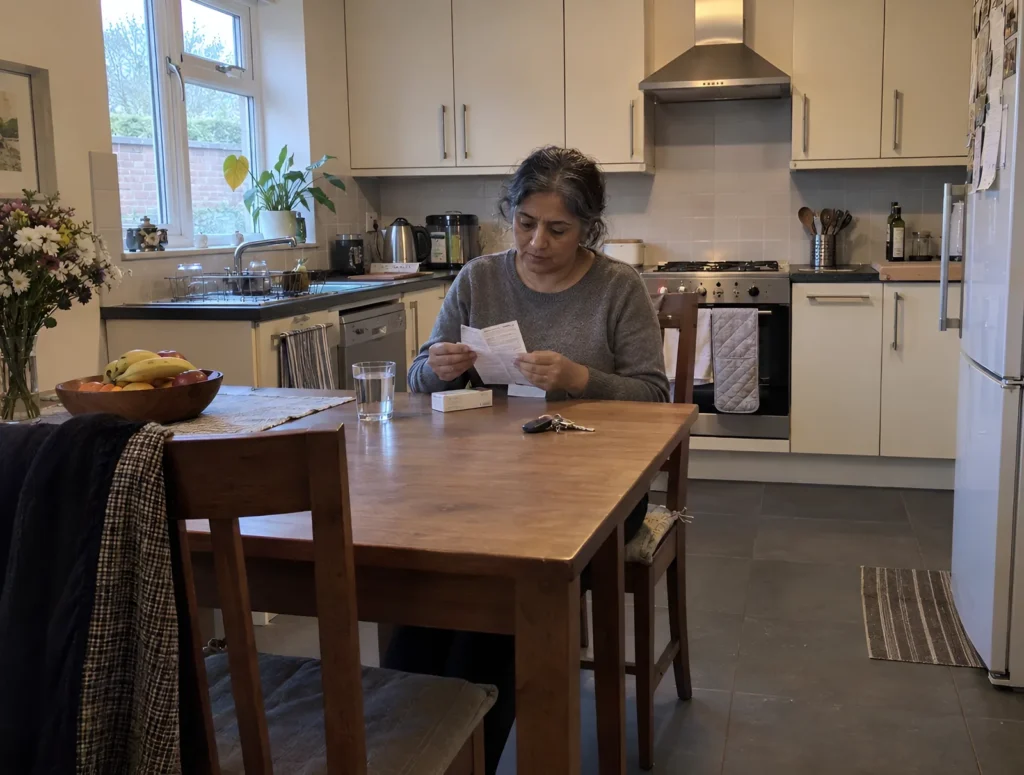
The U.S. drug guide lists weight gain as a side effect of the shot. Tell your doctor if it is severe or does not go away. Call your doctor right away if you gain weight and your legs, feet or ankles swell.
Before you start the shot, tell your doctor if you ever had heavy weight gain or held on to fluid before your period.
What This Means for You
On the shot and gaining weight? Talk to your doctor. There are other lab-made hormone methods, like implants and IUDs. In the review, the clearest weight gaps were with the shot, not these. Your doctor can help you compare. Then you can pick one that fits your body and your plans.
Menopause Hormone Therapy and Weight
This is the other place where this hormone and weight come up.
Why Women Worry
The hormone is used with estrogen to ease menopause symptoms, like hot flashes, night sweats and vaginal dryness. In that treatment, it lowers the amount of estrogen in the womb. Many women fear this treatment will make them gain weight. Some say no to it for that reason. That means they miss out on the help it could give. And that is a shame.
What a Review of Trials Found
A Cochrane review looked at 22 trials of hormone treatment. Some took estrogen with progesterone or a progestin. They did not gain more weight than women who took no hormones. Their BMI did not rise more either. Women who took estrogen alone did not gain more weight than women who took none.
So the fear is bigger than the facts. The team said the treatment does not cause extra weight gain. It does not add to the weight women gain at that time.
The Limits of This Review
This review is old. It looked at trials found by August 1998. Another 24 trials were still waiting for data. There was also not enough data on waist size or body fat. So it tells us about the number on the scale. It does not tell us where the weight sits.
Weight in the Years Around Menopause
The review notes that some weight gain is normal at menopause. Your own levels of the hormone also fall in those years, as you stop releasing eggs. Is your weight changing in midlife? Ask your doctor to look at all the reasons, not just your hormones.
Side Effects of Progesterone to Know
Progesterone pills, like Prometrium, are used with estrogen for menopause symptoms. They can also bring back a period that has stopped. Here is what the U.S. drug guide lists.
Common Side Effects
Tell your doctor if any of these are severe or don’t go away:
- A headache
- Sore or tender breasts
- An upset stomach or belly pain
- Tiredness
- Mood swings, feeling cranky, or a lot of worry
- Discharge from the vagina
- Swelling of the arms or legs
Swelling and weight gain can go hand in hand. So tell your doctor about both. Write them down as they come.
Get Help Right Away If You Have
These side effects are not common, but they need care right away:
- Sudden swelling or pain in an arm or leg
- Chest pain, shortness of breath or coughing up blood
- A drooping face, trouble speaking, a bad headache or a weak arm
- A breast lump
- Bleeding from the vagina you did not expect
Dizzy or Sleepy
The pills can make you dizzy or sleepy. Don’t drive until you know how they affect you. They can also make you dizzy or faint if you stand up too fast, mostly when you first start. So get out of bed slowly. Rest your feet on the floor for a few minutes before you stand.
Medicines and Supplements
Tell your doctor about every pill and supplement you take. That includes the herb St. John’s wort. It may mix badly with this hormone. Bring a written list to every visit. Don’t stop your pills without talking to your doctor first. And if you get pregnant while you take them, call your doctor right away. Better safe than sorry.
What to Do If the Scale Goes Up
Taking progesterone or a progestin, and your weight is changing? Try these steps.
- Don’t stop your medicine on your own. Talk to your doctor first.
- Weigh yourself at the same time of day, in each week of your cycle. It helps you spot bloating before your period.
- Ease bloating with plenty of water. Eat less salt and sugar, and cut back on alcohol and caffeine.
- Know what is normal. In most birth control studies, the average gain after 6 or 12 months was under 4.4 pounds.
- On the shot and gaining weight? Ask your doctor about other methods.
- Call your doctor right away if you gain weight and your legs, feet or ankles swell.
Now you have a plan. Use it.

Weight is only part of the picture. If you are also running on empty by 3 PM, meet Energy, our caffeine-free morning formula made for women over 40. Vitamins B6 and B12 help reduce tiredness and fatigue. KSM-66 ashwagandha supports a healthy response to occasional stress. No caffeine. No crash. Just two capsules with breakfast, and 60 days to feel it, or it’s free.
How much energy do you really have left? Our free Energy Check tells you in about 2 minutes. It checks your hand speed, your legs and how awake you feel right now.
Common Questions
Is it harder to lose weight on progesterone?
The research we read does not show that. Weight gain is not a direct side effect of this hormone. Hormones in general can affect hunger and weight, though. The shot is the one to watch. In some studies, women on the shot gained more.
What are the side effects of taking progesterone?
You may get a headache, sore breasts, an upset stomach, tiredness, mood swings or discharge. Your arms or legs may swell. You may feel dizzy or sleepy. Get help right away for sudden leg swelling or pain, chest pain, trouble speaking or bleeding you did not expect.
How long does progesterone weight gain last?
It depends on the cause. PMS bloating most often eases 1 to 2 days after your period starts. On lab-made hormone birth control, the gain at 2 to 4 years was about twice the gain at 1 year. But the groups mostly did not differ. The reviews we read did not say what happens after you stop.
How do I stop progesterone weight gain?
Start by finding the cause. Track your weight across your cycle to spot bloating. Ease bloating with water and less salt, sugar, alcohol and caffeine. On the shot and gaining weight? Ask your doctor about other methods. And never stop a medicine your doctor gave you without talking to them.
Sources
- Progesterone, Cleveland Clinic
- Progestin-only contraceptives: effects on weight, Cochrane Database of Systematic Reviews, 2016
- Oestrogen and progestogen hormone replacement therapy for peri-menopausal and post-menopausal women: weight and body fat distribution, Cochrane Database of Systematic Reviews, 2000
- Progesterone, MedlinePlus, National Library of Medicine
- Medroxyprogesterone Injection, MedlinePlus, National Library of Medicine
- Premenstrual Syndrome, MedlinePlus, National Library of Medicine